What metal sheets are commonly used for solar panel mount systems?
In building-integrated photovoltaics (BIPV), the metal sheets are usually made from galvalume steel or aluminum-magnesium-manganese alloy. Both are lightweight, resistant to corrosion, and designed for long service life. For example, aluminum-magnesium alloys can last up to 50 years in normal conditions, which makes them very reliable for roofing applications.
Can solar roof panels be installed on both flat and pitched roofs?
Yes. Solar roof panels are flexible enough to be used on flat or sloped roofs. The actual tilt angle depends on the local climate and the hours of effective sunlight. In regions with lower solar exposure, adjusting the angle helps improve energy efficiency.
Do BIPV roof panels provide sound insulation?
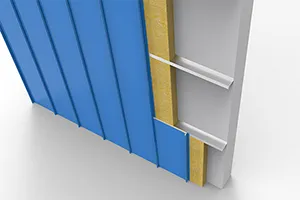
Compared to single-layer roofing sheets, insulated solar roof panels have a layered design. When rigid polyurethane foam is used as the core, it improves thermal and acoustic performance. This reduces common issues such as rain noise, wind impact, and outside mechanical sounds, so they are suitable even for hospitals, schools, or residential projects where a quieter environment is important.
What type of roof system works best in typhoon-prone regions?
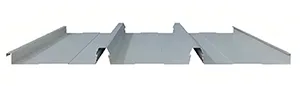
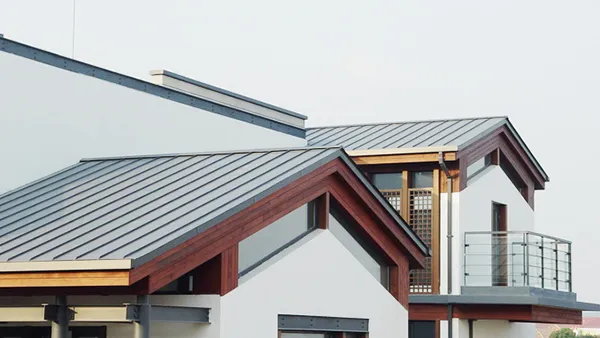
For areas exposed to high winds and typhoons, standing seam metal roofs with a 360° seam clamps are recommended because the panels interlock securely and resist uplift.
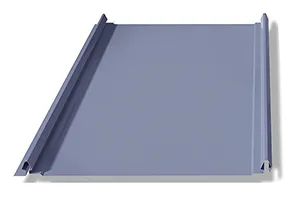
Concealed fixed roofing sheets are also an option; they offer strong wind resistance without visible fasteners, which also improves durability and appearance.
Are sandwich panels suitable for buildings that require higher sound insulation, such as hospitals or schools?
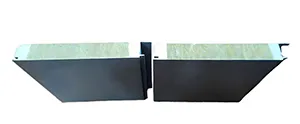
Of course. Thanks to their layered design, with rock wool or glass wool as the core, our sandwich panels block noise as well as heat transfer. Which is why they are often preferred in buildings where a quiet and comfortable environment really matters.
Do the sandwich panels you offer meet fire safety standards for commercial buildings?
Yes. When manufactured with a rock wool core, the sandwich panels achieve a Class A fire rating. The result is solid fire resistance that matches the safety requirements of commercial buildings.
Are sandwich panels durable and do they need any kind of maintenance?
The sandwich panels we manufacture have a special design that ensures their long service life; they combine a layered structure with protective surface finishes that resist harsh weather and corrosion. Because of this durability, maintenance is usually minimal, limited to occasional cleaning that keeps them performing well and maintaining their appearance year after year.
What type of floor deck works best for shopping malls where ceilings, pipes, and other installations need to be suspended?
Dovetail re-entrant metal floor decks are a good option. They are lightweight yet strong, with high load-bearing and seismic performance. The flat underside provides a smooth surface, making it easier to attach suspended ceilings, electrical conduits, and other systems during construction.
For airport renovation projects, which floor deck materials provide better fire protection?
Closed profile metal floor decks are often used in these cases. Their fully enclosed profile design locks tightly with concrete, reducing the risk of steel and concrete separating under stress. This structure not only enhances overall strength but also offers improved fire resistance, making it a safer choice for large public buildings.
How do metal floor decks help reduce construction time and costs?
Since the steel deck acts as permanent formwork, there’s no need for additional support structures. This simplifies installation, speeds up the concrete pour, and reduces labor on site. As a result, projects can be completed faster and with lower overall costs compared to traditional flooring methods.
Which roofing sheets are suitable for extreme weather?
For areas with strong winds, heavy rain, snow, or hail, we recommend metal roofing sheets made from aluminum-magnesium-manganese alloy. With a PVDF coating and roll-formed structure, they offer high durability and help improve the overall seismic performance of the roof.
What is a good option if we want a roof that is both attractive and eco-friendly?
Stone-coated metal roofing tiles are a great choice for projects that prioritize aesthetics and sustainability. They have a service life of over 50 years, are fully recyclable, and feature a ceramic-coated surface that looks natural and elegant while performing well in different climates.
Do you offer roofing materials that can be shaped for curved or special designs?
Yes, several of our metal roofing sheets are suitable for curved or S-shaped roofs. With concealed seam joints and a screw-free finish, they ensure a seamless look and preserve the architectural design.
Is there a roofing option compatible with solar installations?
We offer insulated composite roofing panels that are designed with prefabricated solar interfaces. They allow PV modules to be mounted directly without additional rails or connectors, reducing both material and installation costs while also providing insulation benefits.
Why is metal façade cladding widely used in construction?
Metal façade cladding is valued because it combines design with protection. While it gives buildings a modern and uniform look, it also shields exterior walls from rain, wind, and corrosion. Since it is lighter than many traditional materials yet strong and durable, it helps improve the lifespan of the structure while reducing future maintenance.
What types of façade cladding panels are available?
We offer a wide range of metal wall cladding, covering different architectural and functional needs. Trapezoidal and corrugated profiles are preferred for their strength and easy installation, liner and AG panels create a smoother appearance, while batten profiles highlight vertical lines and add a distinctive design element. Each type of the facade cladding options we offer provides both structural reliability and visual impact.
Does façade cladding improve insulation?
Façade cladding can improve both thermal and acoustic performance, especially when panels include insulating cores or protective coatings. Since they help regulate indoor temperature and reduce outside noise, they create more comfortable spaces for schools, hospitals, offices, and other commercial or public buildings, while also supporting energy efficiency.
Can façade cladding be installed on existing buildings, or is it only for new projects?
Façade cladding is suitable for both new constructions and renovations. In older buildings, façade cladding not only refreshes the appearance but also improves insulation and weather resistance, giving the structure better performance without the need for extensive rebuilding. These features make metal wall cladding a practical and cost-effective solution to extend the life of the façade.
How long can façade cladding last?
With proper installation and quality coatings, metal cladding can remain in good condition for decades. Thanks to their resistance to fading, corrosion, and harsh weather, maintaining this type of metal cladding is simple, even in coastal or high-rainfall areas.
Why are purlins often used in big projects such as exhibition halls and convention centers?
Purlins are commonly used in large steel buildings because they transfer the weight of the roof and walls to the main structure; this helps keep everything stable even in wide-span designs. The purlins we offer are available in profiles like C, Z, or H; their steel grade and galvanization level can be adjusted according to clients' requirements. Since we produce them with automated equipment, the punching is accurate and the quality stays consistent, which makes installation easier and more reliable.
Can purlins be customized for different building spans and loads?
Yes. Purlins can be made in different sizes, thicknesses, and spacing to match the load requirements that different projects have. Thanks to this flexibility, they work just as well for smaller warehouses as they do for large industrial buildings or public facilities.
How do galvanized purlins perform in terms of durability?
The zinc coating provides strong resistance to corrosion, extending the service life even in harsh environments such as coastal or areas where there's high-humidity. Depending on the coating weight, they can meet both standard and demanding durability requirements.
What type of structures typically use purlins?
Purlins are an important part of steel structures and are commonly found in factories, warehouses, logistics hubs, airports, shopping centers, and exhibition halls. They support the roof and wall cladding while keeping the whole structure stable and secure.
What kind of prefabricated unit is suitable for tourism projects such as campsites or resorts?
Compact prefabricated cabins are commonly used for tourism projects because they are easy to move and install without disturbing the environment. They are designedwith large windows to bring in natural light and allow visitors to enjoy the scenery, while their strong frames and durable panels ensure safety and comfort in remote locations.
Can prefabricated houses be designed in a natural or rustic style?
Prefabricated units can be customized with wood-like finishes, pitched roofs, or decorative features such as chimneys. These design options help create a rustic atmosphere that blends with the landscape while maintaining the convenience of modular construction.
Are there prefabricated solutions for temporary commercial use?
Yes, prefabricated rooms can be adapted as shops, cafés, or kiosks. Their modular structure allows developers to set up quickly, relocate when needed, and operate with lower initial costs while still creating an attractive space for customers.
Can prefabricated buildings be used in emergencies?
Prefabricated structures are highly effective in emergencies because they can be assembled rapidly. After events such as earthquakes or floods, they serve as temporary housing or medical units. Their reusability also helps reduce long-term costs.